

Hey everyone,
Steve and I were reviewing messaging copy for our manufacturing outreach last week, trying to figure out why the pitch still felt like a vitamin instead of a painkiller.
And he just said it plainly:
“You’re not competing against other vendors. You’re competing against status quo every single time.”
I’ve heard variations of this before. But this time, I actually went looking for why it’s so hard to beat.
I came across a post by Chris Adams that framed it as temporal myopia — the tendency to make bad long-term decisions in order to preserve short-term comfort.
The prospect understands the problem. They nod at the pain. And then they do nothing, because doing nothing is free, familiar, and carries zero risk to their reputation.
Adams breaks down exactly why the status quo is so sticky: there’s no urgency because the current system “works well enough.” There’s perceived risk in switching: the learning curve, the productivity dip, the fear of championing something that fails.
There are sunk costs, not just in money but in the years of process built around the existing way of doing things.
None of this is irrational.
That’s the hard part.
The person who sticks with the status quo isn’t making a bad decision, which means the typical founder response of “let me show you more features” or “here’s our ROI case study” doesn’t actually address what’s holding them back.
the fun stuff (before we jump into things…)
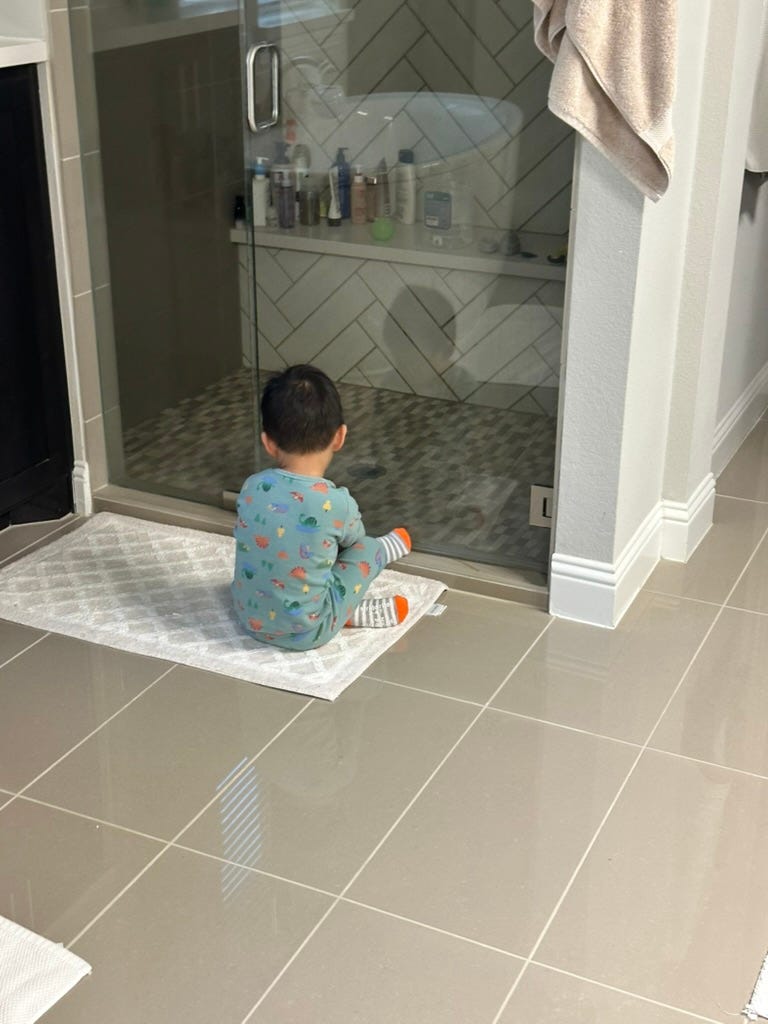
My boys have been sick this week, so not a ton of fun things are going on. We’ve been putting socks on for the younger one because he’s been cold at night.
what status quo actually looks like for our customers
When I say Journey competes against status quo, I don’t mean “the old way of doing things” in some abstract sense. I mean specific, named things.
For a CRE fund raising capital, the status quo is a BCC blast to 50 LPs with three attachments and a prayer. It’s a shared Google Drive folder that three people have named differently. It’s an email thread where someone has replied-all asking for the deck you sent two weeks ago. It “works.” Nobody’s been fired for it. It’s free.
For a manufacturing sales rep, the status quo is emailing spec sheets as PDFs. It’s forwarding the same product render for the fourth time. It’s having no idea whether the procurement manager ever opened the email or just let it die in their inbox. It “works.” The deal might close anyway.
This is the thing I keep underestimating: the status quo doesn’t feel broken to the people living inside it. It feels how it should.
the actual barrier isn’t awareness. it’s urgency.
I read something this week that named this clearly. The author called it temporal myopia — we make bad long-term decisions to preserve short-term comfort. The decision-maker who sticks with the status quo isn’t irrational. They’re weighing the very real cost of switching against a pain that’s dull and familiar rather than sharp and immediate.
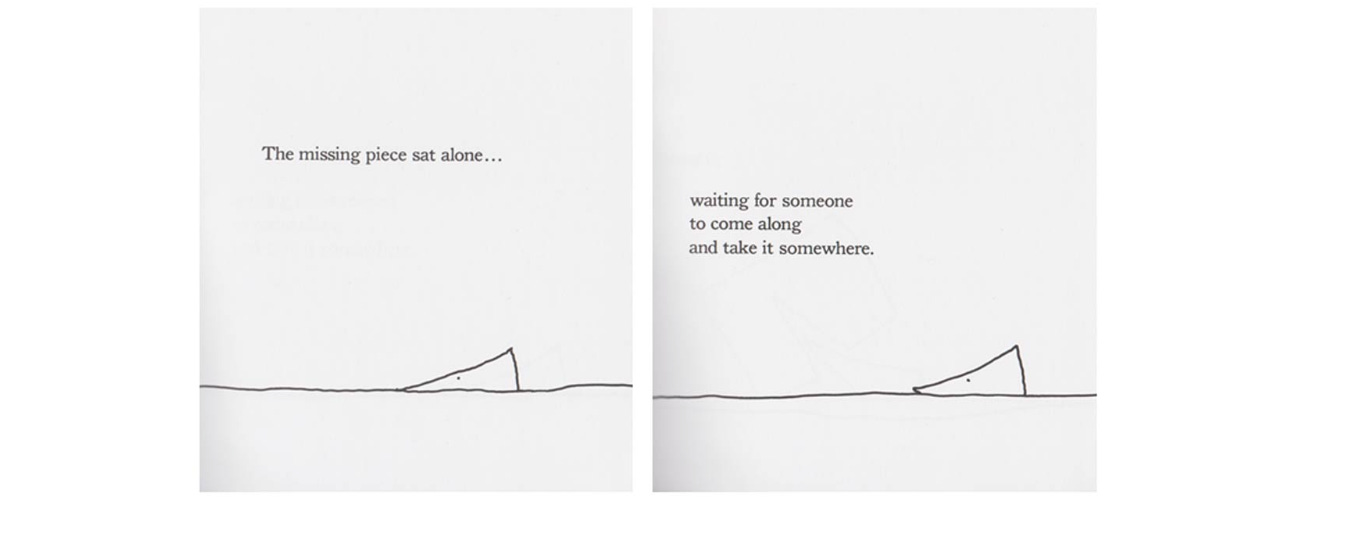
There’s no urgency. The work is getting done. People know how to do it. And the moment you introduce something new, you’re also introducing a learning curve, change management, the possibility that it fails, and the reputational risk of being the person who championed a tool that nobody ended up using.
B2B buyers aren’t just buying software. They’re making a bet with their credibility. They recognize the pain. But recognition isn’t urgency. The copy describes a nuisance. It doesn’t make the nuisance bleed.
What’s the version of this pain that has a number attached to it?
That’s the thing worth writing about in an outreach message. Not the problem in general. The cost of the problem, specifically.
how this changes the experiment we’re running
This reframe has a direct impact on the Clay outreach we’re building for the manufacturing sprint.
The original approach: identify companies with complex product lines and a content-sharing gap, then send a message asking if they’d want to see how Journey helps.
The problem with that: it asks them to imagine a better future. But the status quo bias means they’ll default to “we’re fine.” We’re asking for mental effort from someone who has no urgency.
The new approach: don’t ask. Just show up with the value already delivered.
We have a Clay integration that auto-generates a personalized Journey URL from a template, so instead of a cold email asking whether they want a demo, the first message is the demo.
We build them a sample Journey using their public product content and send it.
We follow up with: “curious what you think of this compared to how you’re currently sharing this stuff.”
It feels simple. It feels too easy a change (and it might not make a material difference, but I do recognize that it’s a different psychological ask.
It’s not “here’s a thing that would help you” — it’s “here’s the thing, what do you think?” The status quo is suddenly sitting right next to an alternative, and the comparison does the selling.
still not easy
The status quo has a moat built out of familiarity and inertia. The only way to beat it isn’t to convince people it’s broken. It’s to make switching feel smaller than staying.
That’s what we’re trying to figure out how to do.
More soon.
Let’s keep it going.
Cheers, Danny